
For less than the cost of your matcha, subscribe to get full access. Cement your status as an insider and support your community. We love you Miami.
WHAT’S GOOD MIAMI: 9.29.26
This Week’s Issue
This week’s issue is about what happens when growth starts testing the thing that made something special in the first place.
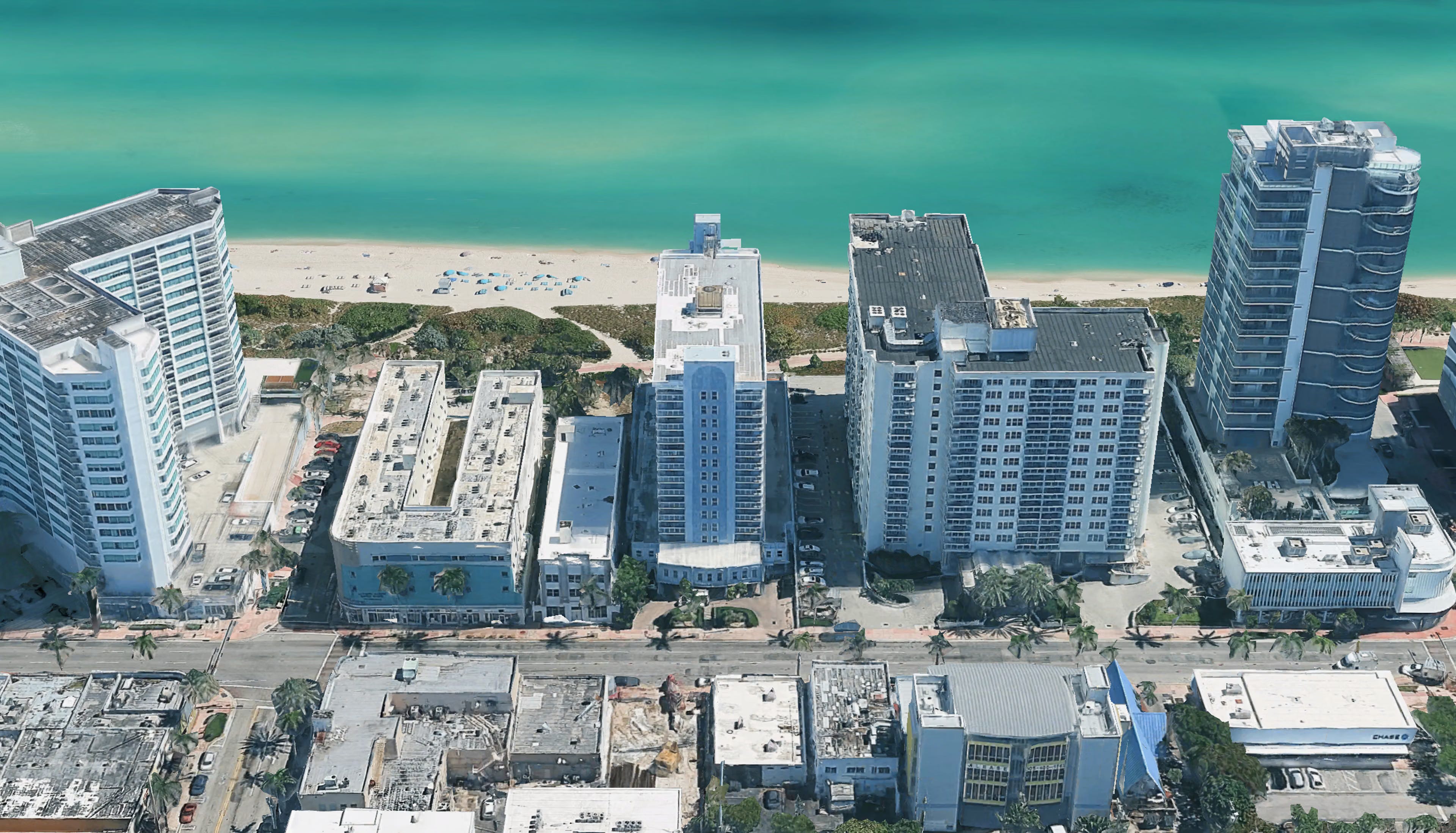
Inflation is exposing restaurant brands that expanded faster than their identity could hold, with Chip City, True Food Kitchen and Yardbird all becoming cautionary tales. In North Beach, more than $120 million of oceanfront property is being assembled for a new ultra luxury tower, while Brickell Key is proving Miami’s condo market is still operating on another planet with $1.7 billion already sold at the new Mandarin Oriental.
Wynwood is losing one of its last true family spots with FunDimension closing, Giannis is already giving Miami reasons to believe after a near perfect Heat debut, and Española Way is trading Tropezón for another Lost Boy as operators double down on the concept that travels best.
The bigger theme: in Miami right now, the winners are the brands, neighborhoods and operators that know exactly what they are and protect it as they grow.

ON MY MIND: Inflation is killing restaurant chains faster than the Cocaine Cowboys.
Last week Chip City shut down every store it had left, all 22 of them, with no warning to customers or staff. It started in 2017 in Astoria with two guys trying to sell 100 cookies a day, and it grew to nearly 50 stores in ten states, Florida included. Danny Meyer’s investment fund put in $17.5 million and took control in March. Four days before the doors closed, cofounder Peter Phillips sued the company and its investors over pay he says he was owed. The president’s explanation: “we no longer have the funding required to operate this business.”
On Sunday, True Food Kitchen filed for Chapter 11. Sam Fox and Dr. Andrew Weil started it in Phoenix in 2008 as a health first restaurant before every strip mall had a grain bowl. It worked. Then Fox sold, private equity moved in, and the celebrity checks followed: Oprah, Howard Schultz, a $100 million round in 2022. And the rest is history. Today it has about $42 million in debt, 12 of its 46 restaurants closed overnight, and a sale process run by the court. In the filing, the company blames expansion outside its core markets and spending on food and drinks that strayed from its original philosophy.
Translation: it stopped being the thing that made it work.
Two weeks before that, Yardbird filed for bankruptcy at the corporate level. It was born on Miami Beach in 2011, then went to Denver, Los Angeles and beyond. Now it’s down to five locations, about $25 million in debt and a buyer lined up for the brand.
Inflation is killing restaurants. Food costs, labor, rent and insurance all went up, and guests didn’t get any richer. But inflation doesn’t kill everyone equally. It kills the ones that already lost their reason for being. Chip City went from 100 cookies a day to ten states, and the founder ended up suing the people running it. True Food sold a founder’s point of view, and then the founder left. Yardbird sold a Miami Beach feeling, and then it tried to sell that feeling in Denver.
When the vision and soul leave, a brand is just an idea with economics attached, and in this economy cost structures are a losing battle. The restaurants that make it through will be the ones where you can still feel the person who started them.

BEACH BUSINESS